
Anyone can send you a list of famous London hotels. I wanted to know which ones actually deserve your nights, so I spent a week testing them myself. I slept in the suites, walked four different guided tours, sat at the bars, and ordered the afternoon tea, the fish and chips, and more cheese than I should admit. This is what I found, and what I now recommend to my clients.
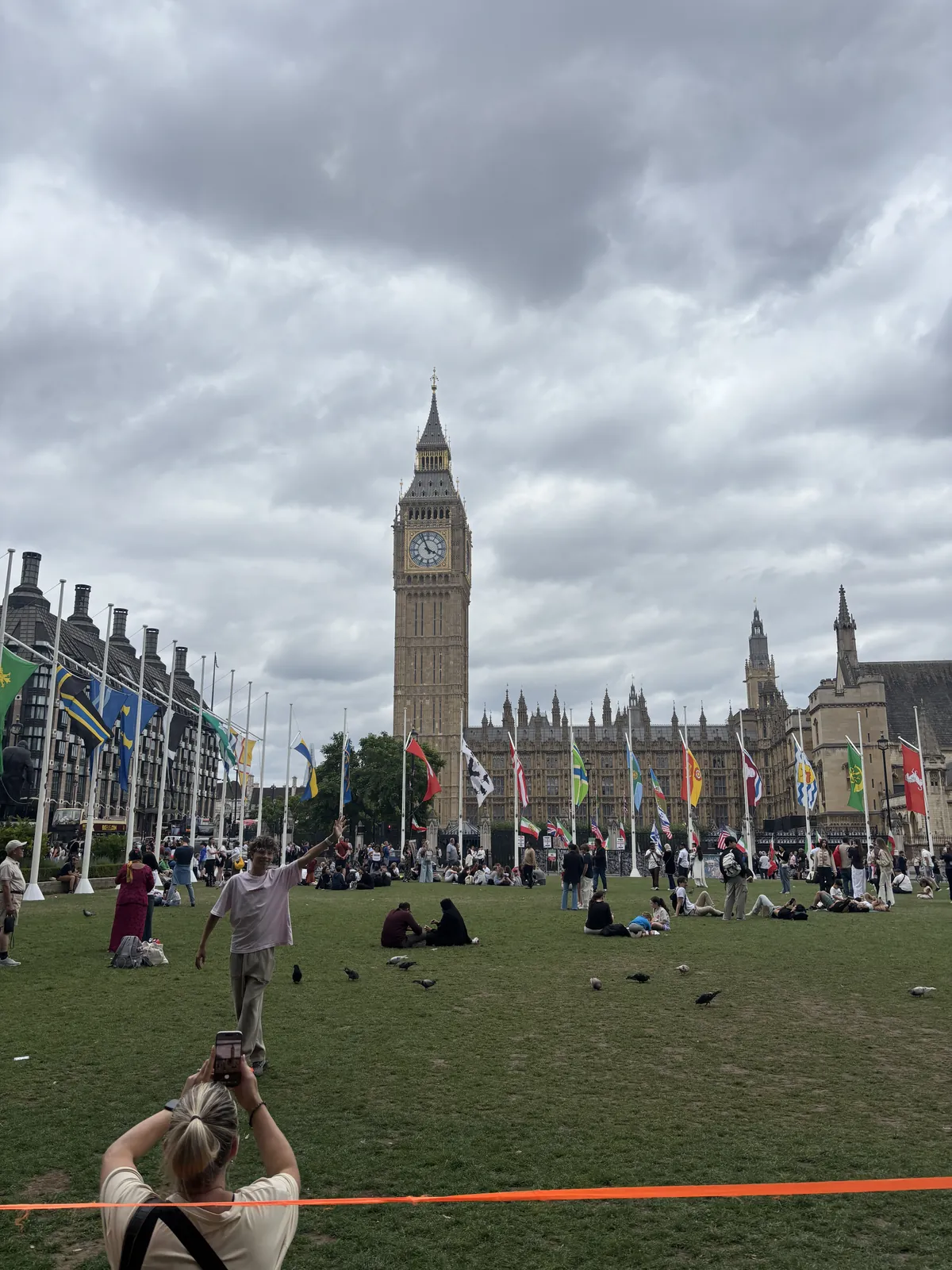
The Goring: London's last great family house
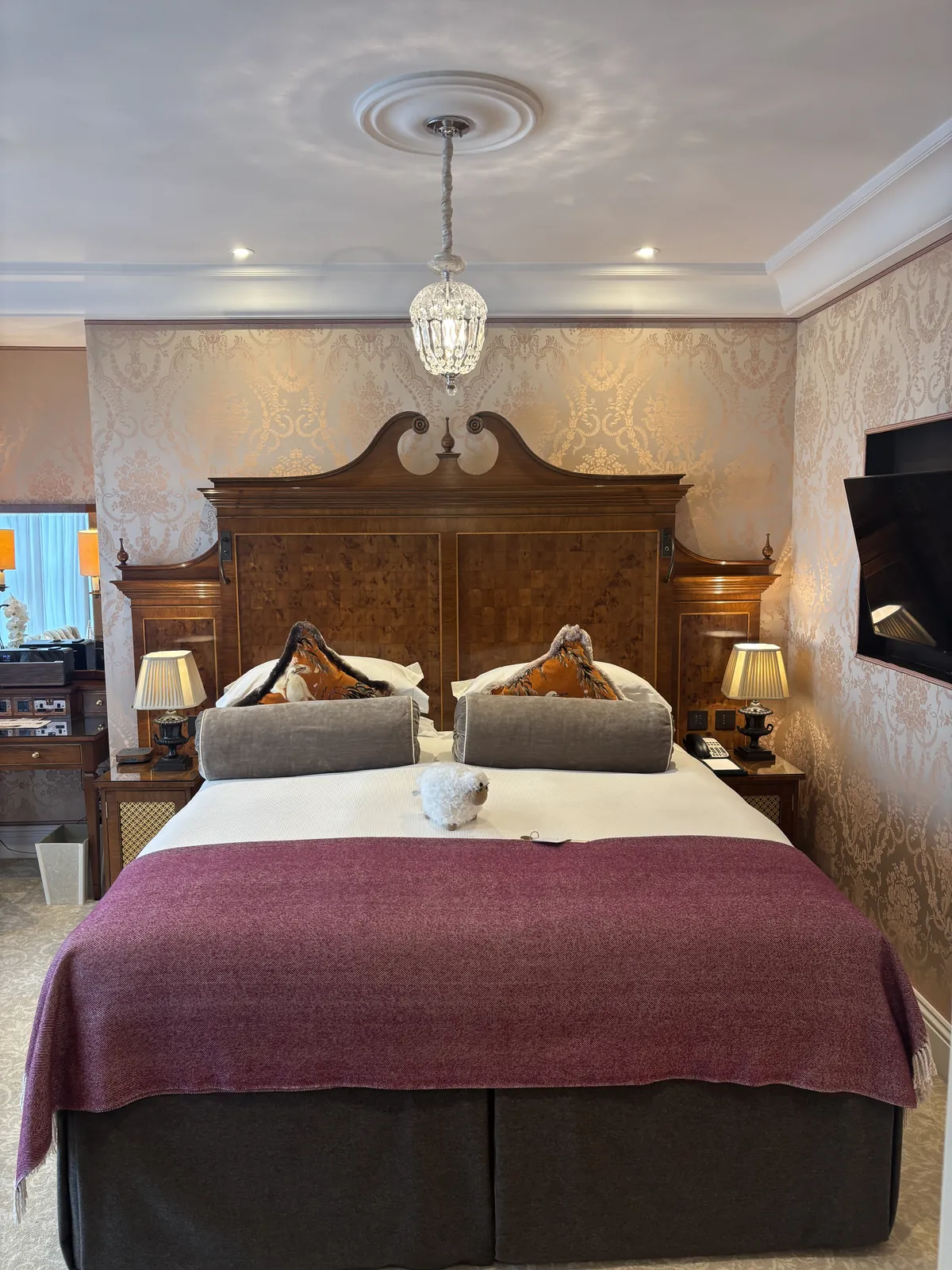
The Goring is the hotel where the staff know your name, and I do not mean that as a figure of speech. It is the last family-owned luxury hotel in London, tucked behind Buckingham Palace, and by my second morning the team remembered my tea order without asking. The rooms are layered with silk wallpaper and antique headboards, and a small wool sheep waits on your bed, a Goring tradition that somehow makes a grand hotel feel like a home.
One more thing. I stayed in the suite where Kate Middleton spent the night before her wedding. The royal family trusts this house with the most photographed morning in modern British history. That tells you everything about the service standard.
Raffles London at The OWO: history you can sleep in
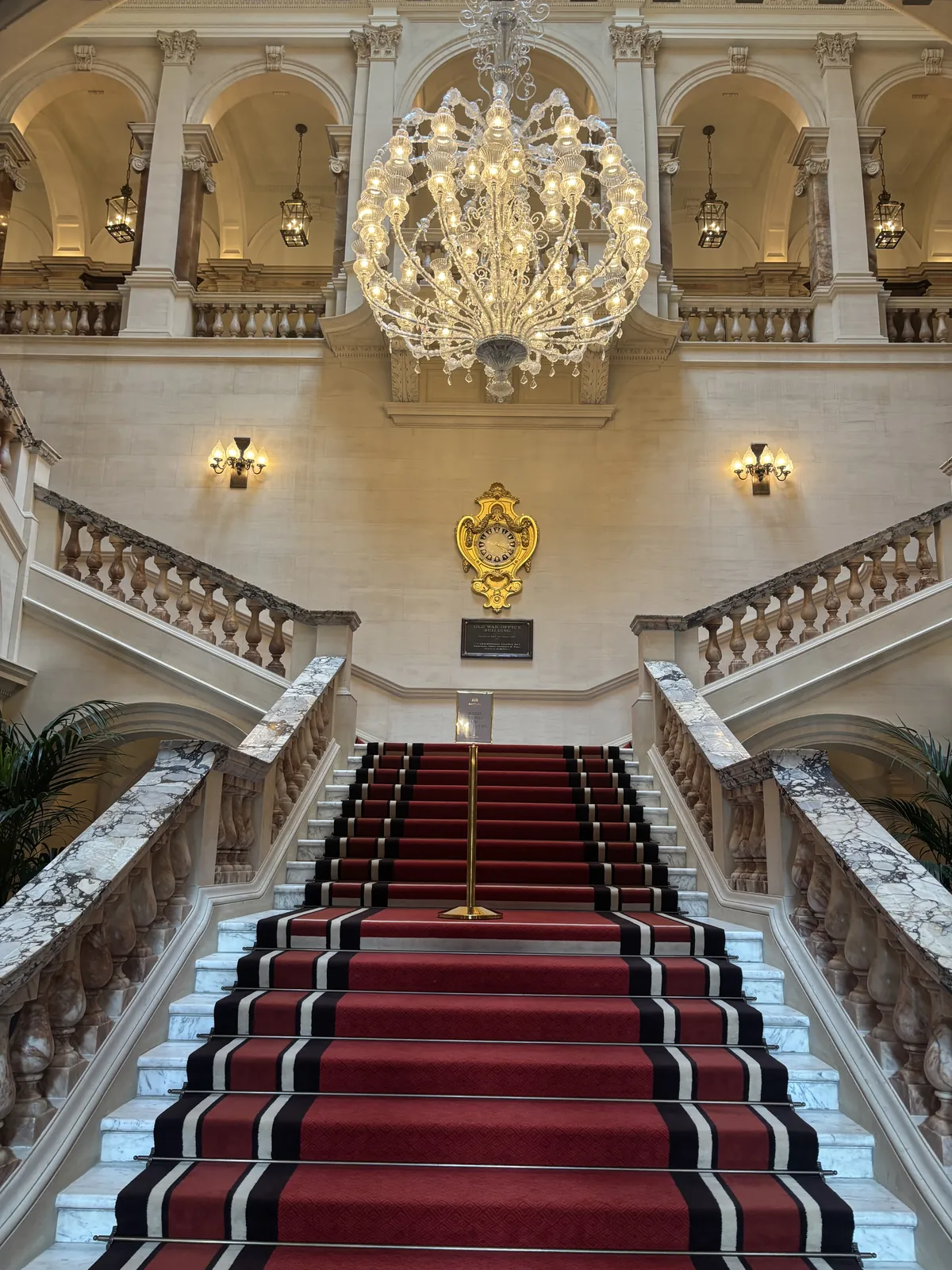
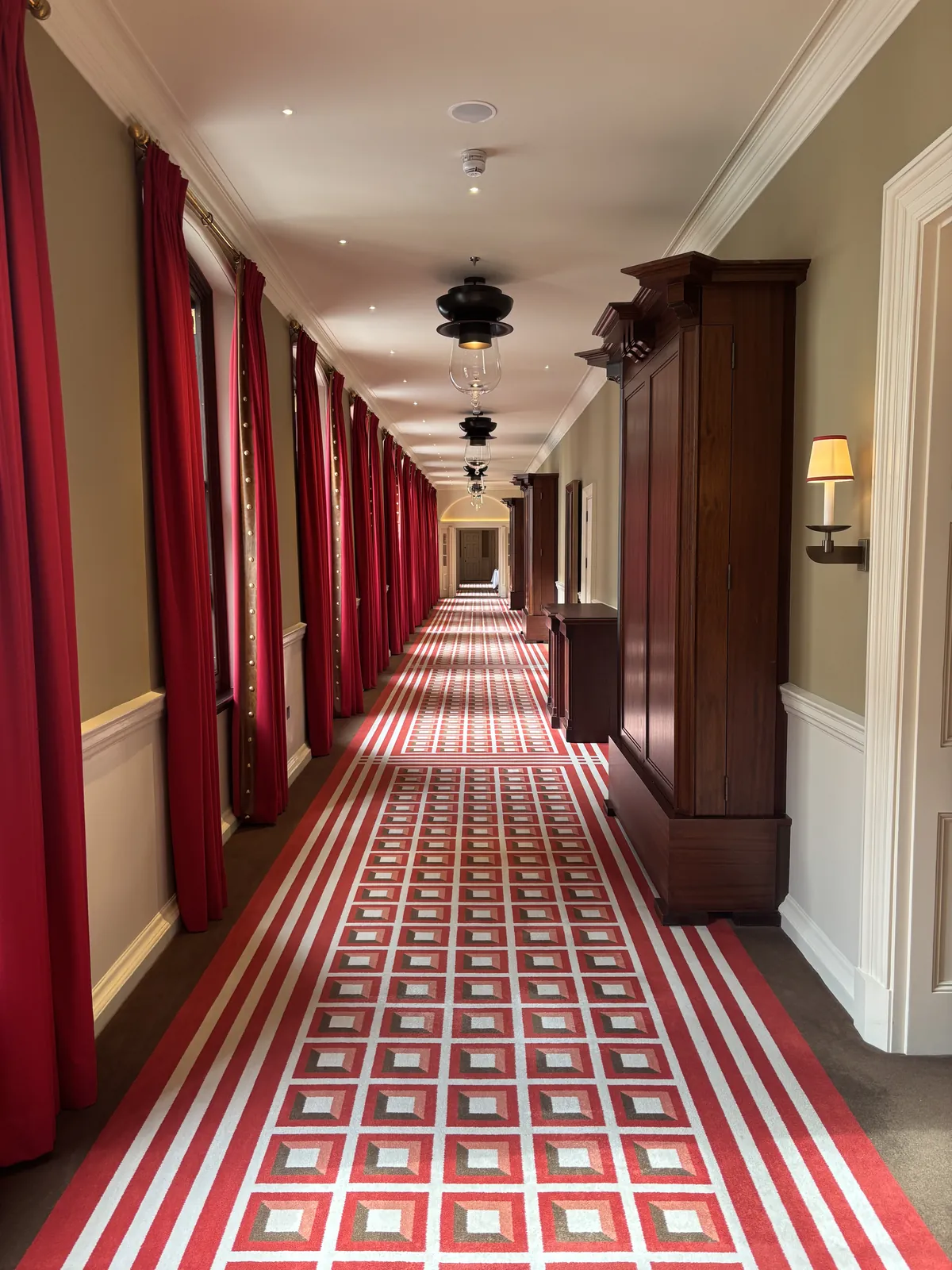
This one made me swoon. The OWO is the Old War Office on Whitehall, where Churchill worked and where Ian Fleming found inspiration for a certain secret agent. Today it is Raffles London, and the building itself is the show: corridors draped in scarlet, a marble grand staircase built to impress empires, and guest rooms that balance the drama with calm, beautiful restraint.
Then there is the Spy Bar, hidden in the vaults below, where an Aston Martin from the Bond films sits among the memorabilia. Dinner upstairs, martinis in a former military intelligence vault. If you want a hotel that is also a story you will tell for years, book this one.
Rosewood London: grand bones, modern soul
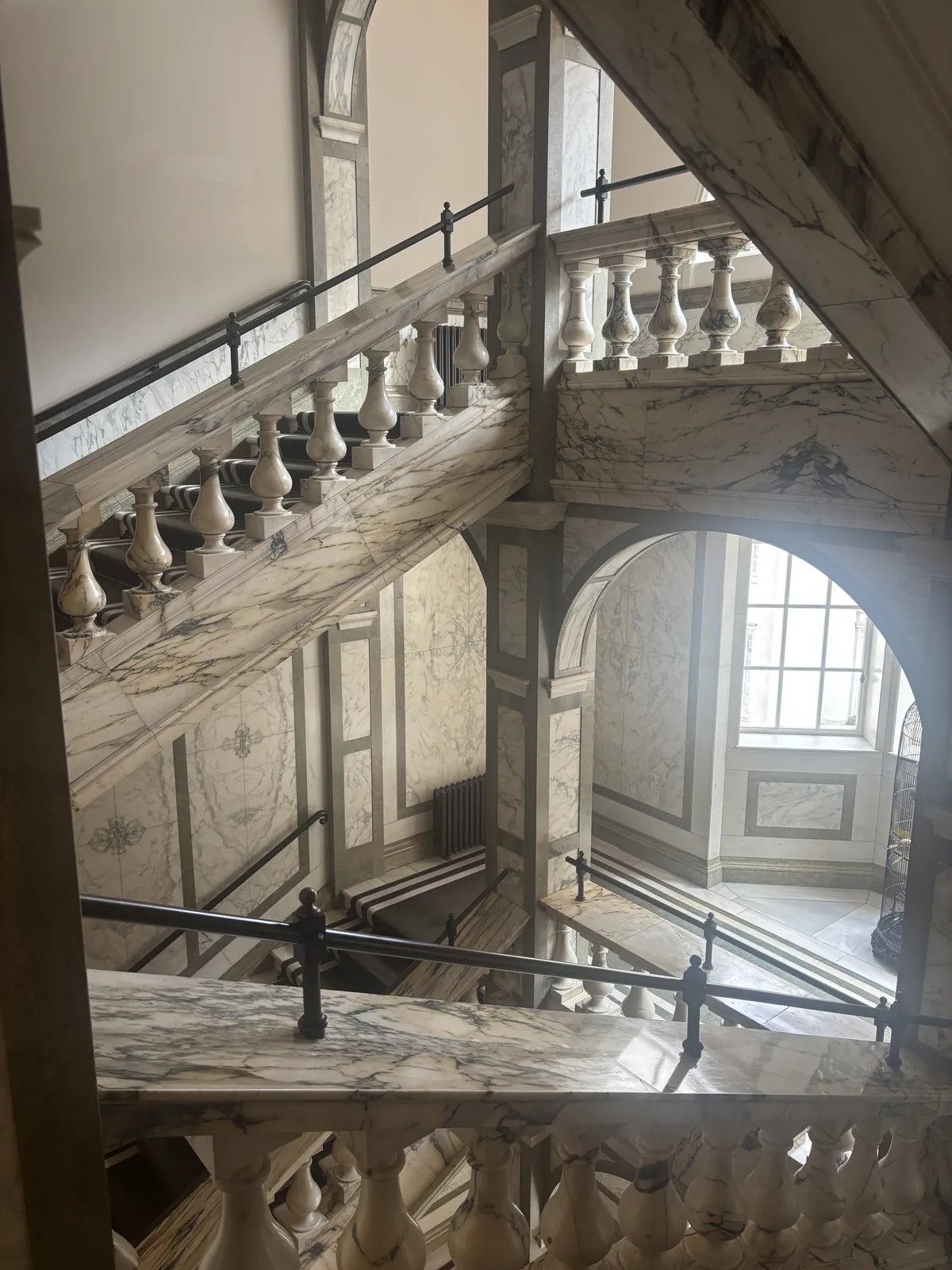
You enter Rosewood London through a carriage courtyard off High Holborn, and the moment you pass under the archway something remarkable happens: the city goes quiet. The courtyard sets the hotel back from the street entirely, so you stay in the heart of London, minutes on foot from Covent Garden and the West End, while sleeping somewhere that feels like a secluded private estate. Just inside rises the hotel's famous staircase, seven storeys of rare Pavonazzo marble left from the building's days as an Edwardian insurance empire, and around it warm contemporary interiors that feel like a great private house rather than a museum. Then, when you want the energy back, there is Scarfes Bar: live music, walls of playful artwork, and a crowd that includes actual Londoners, which is the highest compliment a hotel bar can earn. Calm when you want it, a scene when you do not. That balance is rare in London, and it is the reason Rosewood earns a spot on my shortlist.
Four tours, tested. Three made the cut.
The Churchill War Rooms, with a historian
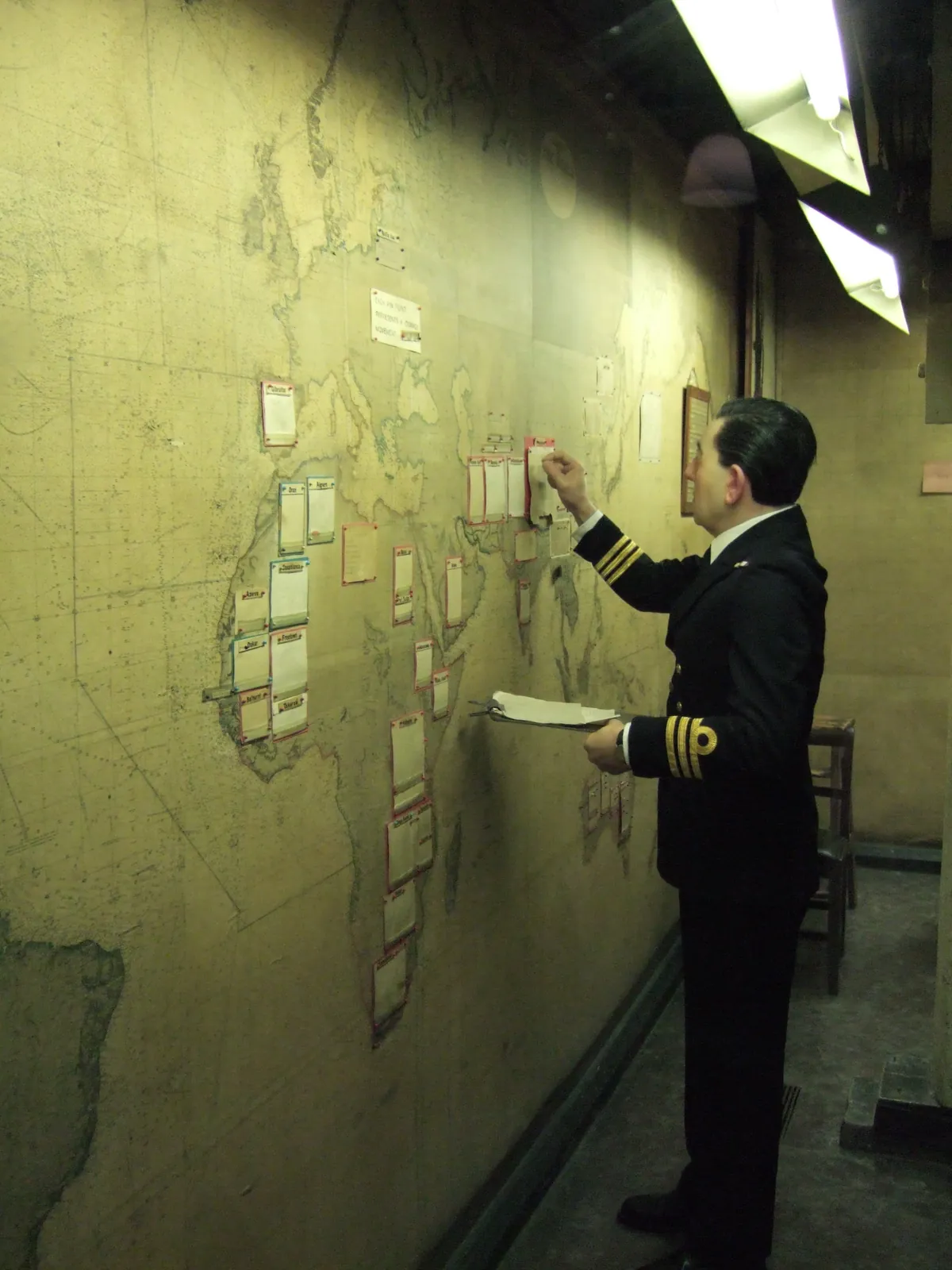
The best three hours of my trip. In a bunker beneath Whitehall, lit by bare bulbs, Churchill and his cabinet ran the Second World War while the Blitz fell overhead. The maps still hold their original pins. My guide, a historian, kept the group to a handful of guests and connected every room to the streets above. You also leave with the answer to a question every visitor asks: why is London ancient on one corner and modern on the next? The bombs are the answer, and once you understand the rebuilding, the whole city reads differently. I now build this tour into nearly every London itinerary I plan.

A delicious walk through British food history
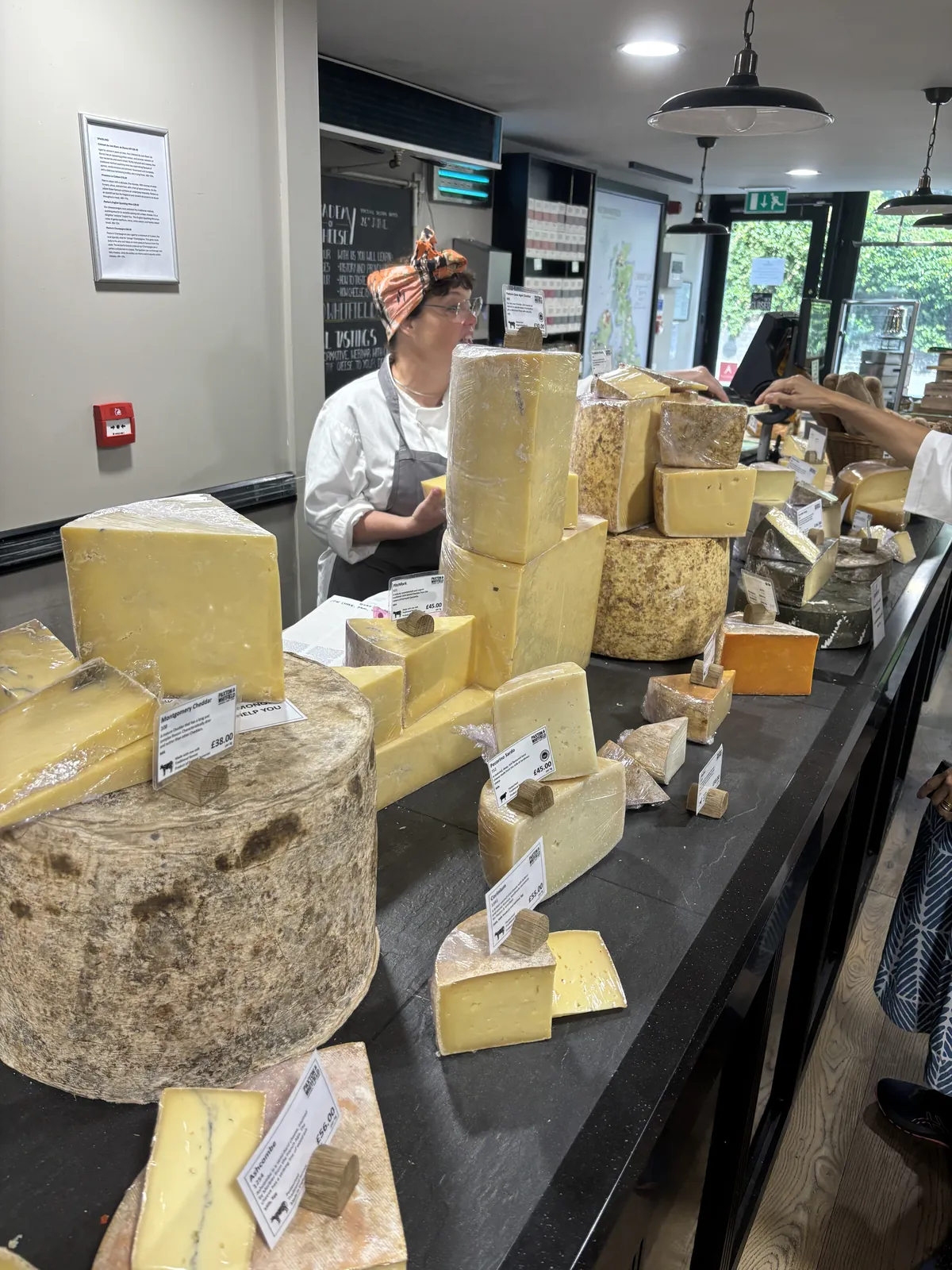
My guide was a food writer from Hong Kong, and in three hours she dismantled every tired joke about British food. We started at Fortnum & Mason, grocers to the King by royal warrant, then visited Paxton & Whitfield, the cheesemonger Churchill favored, tasted our way through an award-winning chocolate maker, and finished among the lanes of Soho and Covent Garden. You sample as you go, and you collect a list of shops you will happily revisit all week. This is the ideal first-day tour: you get oriented, you get fed, and you get the city's story through its shopkeepers.
Westminster to St Paul's: the half-day that explains everything
From Big Ben and Westminster Abbey through St James's, then a real tube ride to the City of London and on to St Paul's Cathedral. Along the way, the Great Fire of 1666 and the wartime bombing raids explain why medieval churches stand beside glass towers. It is sightseeing that turns into understanding, and it makes every landmark you visit afterward mean more. I recommend it in the first day or two of any first visit.
And one honest note: the Tower of London
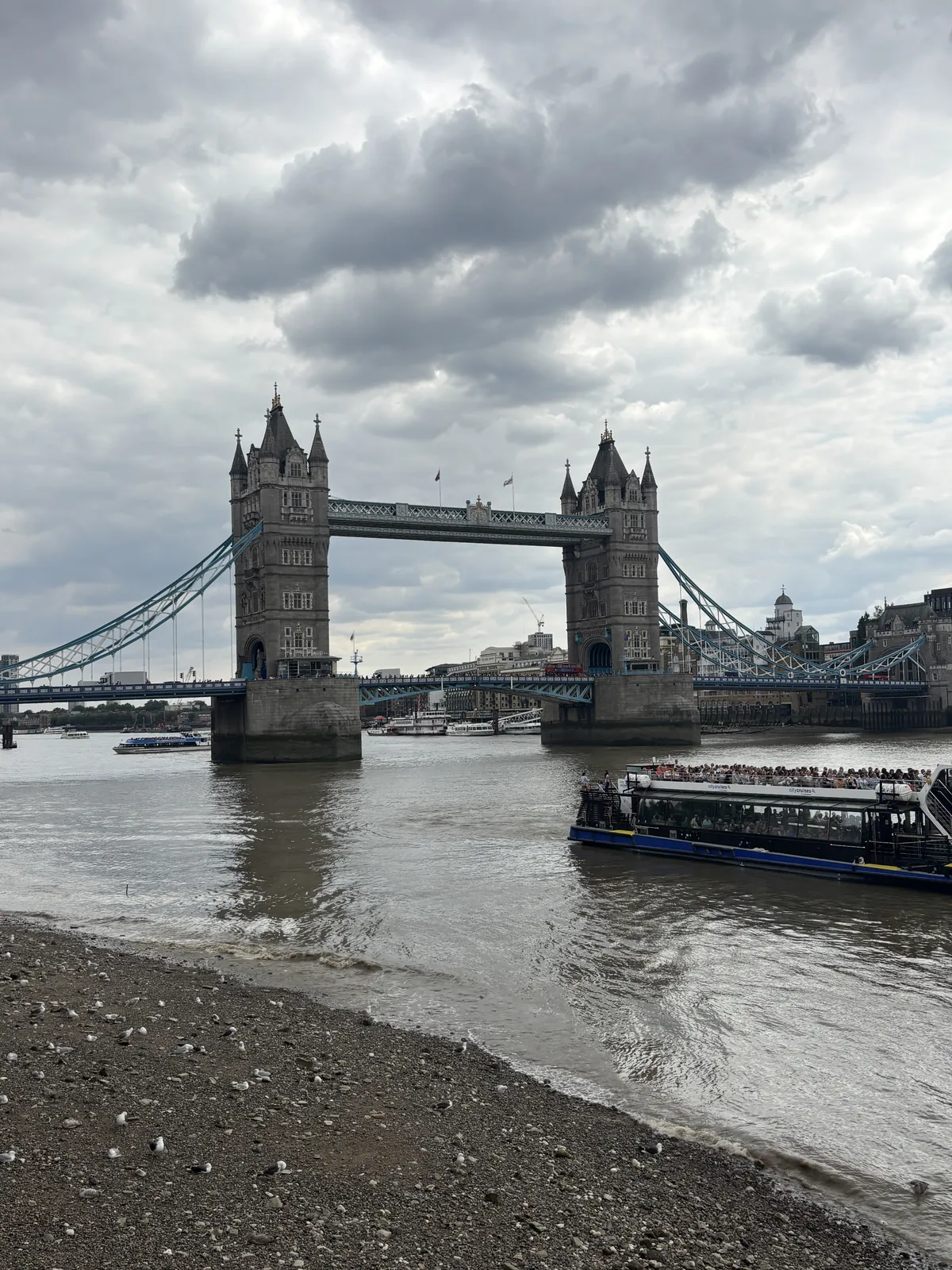
The Tower of London tour is well run, the Crown Jewels sparkle as promised, and the thousand years of history are real. But by my fourth tour of the week I found it the least essential of the group. My advice: it is a wonderful half day for travelers with a genuine appetite for royal history, and skippable for those short on time or energy. Knowing which experience fits which traveler is precisely the judgment you hire an advisor for.
How I would build your London trip
Three nights minimum, five if you can. The Goring for quiet, personal grandeur, Raffles at The OWO for drama and history, or Rosewood London for grand bones with a modern, artful soul. The food walk on day one, Westminster to St Paul's on day two, the War Rooms with a private historian on day three. Afternoon tea booked at the right hour, and a nightcap in a vault where a silver Aston Martin keeps watch.
Every guide, every suite category, and every table in this report is one I have personally vetted. That is the difference between booking a trip and having one designed.